Be More Human
We each get to, and need to, decide that our humanity is partly what drives whether or not we book work: who and what we are.
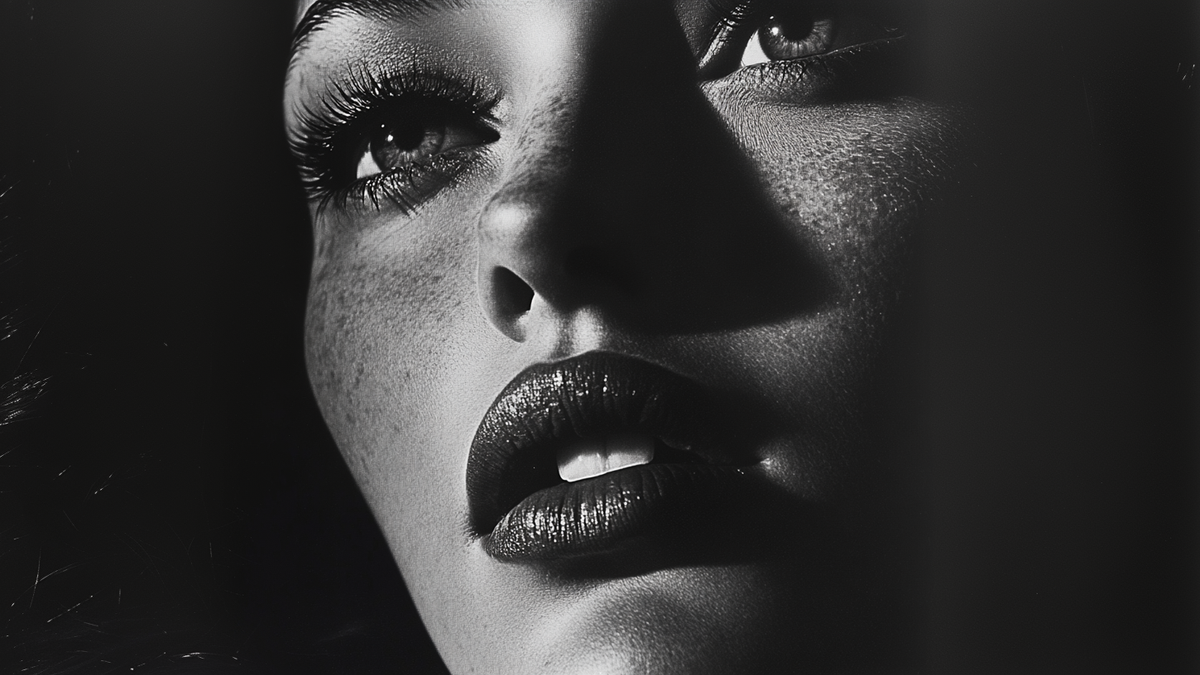
be who you are as much as you can be
"Why would they pay us five figures when they can pay $200 and get endless output before their morning coffee?
I don’t have a great answer to that. Not yet."
- Alex Darke in Is AI Taking Over My Video Business?
Were you offering piles of "content" to clients, or as you say were you offering them "the stuff that separates content that converts from content that just exists." I think you know you offered more. That doesn't mean the math isn't changing, but it also doesn't have to mean survival is impossible.
In an earlier phase of the industry, I saw production companies who were crushed by the proliferation of affordable digital video cameras and editing software that could be run on the computer you already own. Let me give an example.
It was the aughts (2000-2009). There was a production company that cared not at all about creativity. They offered their clients essentially access to machines that cost a lot to own, but from this production company one could get access to perfunctory video shooting and editing for less than the expensive cameras and post production suites the production company owned.
They were essentially video production clerks. Their shooting was pleasant, the edits made no one recoil in revulsion. But, their whole business model was predicated on an obstacle: the high cost of equipment and software access. They were essentially reselling access to expensive gear they'd already invested in. The gear price went down, and dealing with their...not ideal abilities to make movies/TV/commercial and the like was suddenly no longer appealing. They had made themselves a commodity, competing only on price and offering little value beyond that.
We, entertainment and media professionals, need to remember our humanity has always been the major offering we have been making.
For example, year ago I was putting together some promos for a TV pilot I was developing. The director of photography (DP) for the shoot was unavailable for a pickup day (additional day of production) I was scheduling because one of the actors had become unavailable for the day of principle photography we had already done due to a stunt injury during unrelated training. So I reached out to a talented DP I had worked with before and asked them if they could be the DP for the pickup day.
When the DP gracious said yes, they made a point of pointing out that for these promos I was shooting (which had almost no budget at all, I bought people lunch and gave them a small gas stipend), they would not be bringing their $60,000+ camera system, but instead bringing their much less high end DSLR camera. I said straight out to them, because it was true, I was hiring the person, and their eye, not the gear.
People can have a sort of fetish for equipment, resolution for resolution's sakes and other elements that don't in the end define people's interesting in movies, TV and stories in the first place.
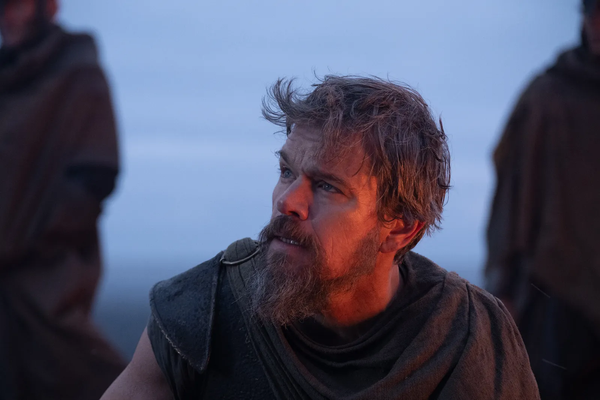
Did my promo shot on that pickup day need a higher end camera? I don't think so. Here it is:
promo video: Run! - Victor (codename Tigerfish) confronts an asset (alternate place to watch it)
Now has that pilot sold? Not yet. But that doesn't mean I should have hired a camera instead of the person. They did good work and I can rent a camera if I suddenly feel the need to have a certain piece of equipment.
We each get to, and need to, decide that our humanity is partly what drives whether or not we book work: who and what we are. If I book a job, someone else who couldn't be me wasn't going to, and if someone else books the job, then I (who cannot be them) wasn't going to.
This requires faith that if we do our part of the process, then the work meant for us will be ours. That faith isn't always easy to muster, but sort of like the idea of your only competition being who you were yesterday, I think it remains true.
Will there be some types of projects that only need a vaguely human-ish talking head that AI will replace? Sure, but those were always projects that asked less of use as entertainment and media professionals than we can do. And some projects will cheap out, or want to avoid real emotional vulnerability, and hope the audience will connect with a machine like they tend to with human performance. The human part of human interactions is still easiest to find by looking for it from humans. Nothing can really change that without shredding what we thing the word "human" means. An imitation might be mistaken for a thing itself, but as long as the word "imitation" has meaning, there will still be a difference.
Being our esoteric selves is, and probably to some extent always has been, the key to building our creativity, and voice, and career. AI may sharpen that reality, but it didn't invent it and I doubt any machine can human better than a human can.
Will some video production houses take a hit? Sure, and that is hard, and probably unhealthy for the entire ecosystem. There was nothing wrong with having industrials and other not-demanding-full-humanity projects paying the bills (an HR compliance video is probably not intended to touch our hearts and minds with the depth many motion pictures try to), only now it may be less possible. The math for a business may be, as Alex Darke suggests, getting tighter. And as he says:
"I keep coming back to one idea: the video was never really the product.
What brands are actually buying - when they hire a production company - is judgment. Taste. The ability to translate a business objective into a story that moves people. Those things aren’t in the prompt. They’re in the years of pattern recognition that precede it."
As Artificial Intelligence (AI) threatens to replace us, doubling down on our humanity, our squishy, is likely the best way forward, maybe our only way forward.
© Copyright May 6, 2026, David August, all rights reserved davidaugust.com
David August is an award-winning actor, acting coach, writer, director, and producer. He plays a role in the movie Dependent’s Day, and after its theatrical run, it’s now out on Amazon (affiliate link). He has appeared on Jimmy Kimmel Live on ABC, on the TV show Ghost Town, and many others. His artwork has been used and featured by multiple writers, filmmakers, theatre practitioners, and others to express visually. Off-screen, he has worked at ad agencies, start-ups, production companies, and major studios, helping them tell stories their customers and clients adore. He has guest lectured at USC’s Marshall School of Business about the Internet.